Shadowrun Returns: Tactical, narrative RPG set in cyberpunk Seattle
Shadowrun Returns, developed by Harebrained Schemes, adapts the tabletop science-fantasy setting into a single-player tactical role-playing game where you assume the role of a Shadowrunner investigating a murder in 2054 Seattle. The game pairs grid-based, turn-based combat with a classless skill system that mixes magic, cyberware, and hacking; its primary campaign delivers a noir investigation. The title targets tactical CRPG fans and tabletop followers who value story-driven missions and modding potential.
Tactical encounters make positioning and action economy meaningful
The combat layer uses a grid-based, turn-based system that emphasizes cover, positioning, and team synergy. Players spend Action Points to move, attack, use items, or cast spells, so AP management shapes each encounter. So choices made in a single skirmish cascade into later fights, rewarding deliberate planning and measured advances instead of reflex-based play.
Character growth encourages hybrid builds without strict classes
Shadowrun employs a classless skill system and offers distinct play options across five races and six archetypes, letting players blend abilities rather than pick a locked class. Available character options include Human, Elf, Dwarf, Ork, and Troll, and archetypes such as Street Samurai, Mage, and Decker. Thus players can construct hybrids that combine magic, cyberware, and hacking to suit a chosen approach.
Art direction and mod tools extend the game's lifespan
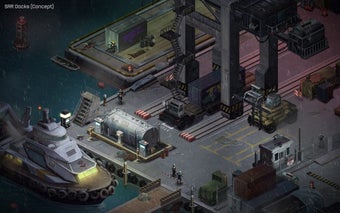
The title presents hand-painted, isometric 2D environments that set a noir, science-fantasy tone and keep encounters visually readable. The Windows edition includes the Shadowrun Editor for creating and sharing campaigns, which supports community-made missions and long-term replayability. Thus much of the game's longevity comes from user-created content and fresh scenarios authored by the player base.
Shadowrun suits players who prize methodical tactical play and community content
Shadowrun is a solid choice for tactical-RPG players who prefer consequence-driven sessions and a focused, narrative campaign; however, reported linear campaign pacing and an early save-system design can limit flexibility for players seeking open exploration. Players who accept a directed story experience gain concentrated narrative value, while those wanting non-linear roaming should weigh the campaign structure before diving in.
.png)